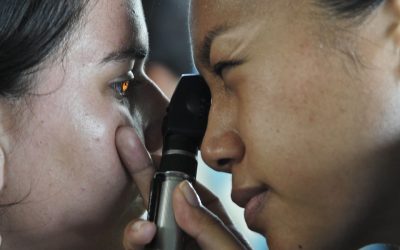
... maybe you shouldn't have ascribed to society's deaf stereotypes. Dear Optometrist, I am a deaf mother. That was probably the first thing you noticed about me when you walked in there. I sat there while you promptly set about explaining to your trainee the ins and...
Deaf…
Deaf people who prefer the capitalisation of D in Deaf, see themselves as a part of the signing Deaf culture of their country. In Australia, that is the Auslan Deaf community. There is a strong sense of a cultural or personal Deaf identity which is rooted in Auslan sign language. This includes both people with partial and complete deafness.
… and deaf.
deaf people who don’t identify with deafness as an cultural or personal identity, opt for lowercase d in deaf. This includes both people with partial and complete deafness. The Deaf community also tends to put people who are not Auslan signers in this category as well as people who are hearing impaired later in life and do not have a lifetime’s experience of being deaf. However! There are plenty of deaf people who do sign and use different communication methods, who consider themselves deaf, just not with a capital D.
BLOG POSTS
Lipreading at only 30 – 40 %?
Even the best lip-readers are only able to understand approximately 30% to 40% of what is actually said on the lips.- Science Direct: Lipreading, Patients with Disabilities When I saw the statistics on lipreading, I was shocked. Approximately only 30-40% of...